
📌 Table of Contents ⬆

Best Collagen for Women Over 50: Top 7 Picks That Actually Work
Best collagen for women over 50 is one of the most searched supplement questions online — and for good reason: after 50, your body produces up to 30% less collagen than it did in your 30s, leaving skin thinner, joints achier, and hair noticeably thinner almost overnight. If you've stood in front of a drugstore shelf (or scrolled endlessly through Amazon) feeling overwhelmed by powders, capsules, and marine vs. bovine options, you're far from alone. This guide cuts through the noise with science-backed picks, real-world criteria, and honest pros and cons so you can finally choose the collagen supplement that will actually move the needle for your skin, joints, and overall vitality.
📌 Quick Summary
- Collagen decline accelerates at menopause: Estrogen directly stimulates collagen synthesis, so the hormonal drop at menopause can accelerate skin collagen loss by up to 30% in just the first 5 years post-menopause, according to research published in the British Journal of Dermatology.
- Type I & III collagen are most relevant for women over 50: Type I targets skin, hair, and nails; Type III supports gut lining and elasticity — most top-rated powders combine both for maximum benefit in mature women.
- Dose matters more than brand: Clinical studies showing visible skin improvements typically used 2.5g–10g of hydrolyzed collagen peptides daily for at least 8–12 weeks — short-term use rarely produces measurable results.
📊 Why the Best Collagen for Women Over 50 Is Different From Generic Picks
The best collagen for women over 50 isn't simply the best-selling product on Amazon — it's a formulation specifically designed around the biological reality of a post-50 body. After menopause, falling estrogen levels dramatically reduce the skin's ability to retain moisture and produce new collagen fibers. A 2021 study in Nutrients found that postmenopausal women who supplemented with hydrolyzed collagen peptides (10g/day) for 12 weeks showed a statistically significant improvement in skin elasticity, hydration, and wrinkle depth compared to a placebo group. But here's the nuance most buyers miss: not all collagen is bioavailable equally. Full-chain collagen protein molecules are too large for the gut to absorb efficiently. Hydrolyzed collagen peptides — broken into smaller amino acid chains through enzymatic processing — are absorbed far more readily, with some research suggesting absorption rates close to 90–95%. For women over 50 dealing with slower metabolism and digestive changes, this distinction is critical.
Beyond bioavailability, the type of collagen source matters enormously for mature women. Marine collagen (sourced from fish skin and scales) is extraordinarily rich in Type I collagen, the most abundant collagen in human skin, and has a smaller molecular weight than bovine collagen, making it an excellent choice for skin-focused goals. Bovine collagen (sourced from cow hides) provides a blend of Type I and Type III, which is ideal for women also dealing with joint discomfort, leaky gut, or muscle recovery — all common concerns after 50. A growing third category, multi-collagen blends, combines bovine, marine, chicken (Type II for cartilage), and sometimes eggshell membrane collagen to cover all bases. Understanding these distinctions is the first step to choosing a product that will actually deliver results — and it's the framework we used to build the Top 7 list below.
Hydrolyzed Peptides
Absorbed up to 95% faster than whole collagen protein
Marine vs. Bovine
Marine excels for skin; bovine wins for joints & gut
Vitamin C Synergy
Vitamin C is essential for your body to synthesize collagen
| Product | Collagen Type | Source | Dose Per Serving | Best For |
|---|---|---|---|---|
| Vital Proteins Collagen Peptides | Type I & III | Bovine (Grass-Fed) | 20g | Skin, hair, joints |
| Further Food Marine Collagen | Type I | Wild-Caught Fish | 6.6g | Skin & anti-aging |
| Ancient Nutrition Multi Collagen Protein | Types I, II, III, V, X | Bovine + Marine + Chicken | 10g | Full-body support |
| Sports Research Collagen Peptides | Type I & III | Bovine (Grass-Fed) | 11g | Joints & muscle recovery |
| Garden of Life Grass-Fed Collagen Beauty | Type I & III | Bovine (Grass-Fed) | 20g | Skin + Vitamin C boost |
| Orgain Collagen Peptides | Type I & III | Bovine (Grass-Fed) | 20g | Budget-friendly daily use |
| NeoCell Super Collagen | Type I & III | Bovine (Hydrolyzed) | 6.6g | Targeted skin firmness |
💡 Key takeaway: Marine collagen leads for pure skin benefits, while bovine multi-collagen blends offer the broadest coverage for joint, gut, and skin health — making them the most practical choice for most women over 50.
🎯 How to Choose the Best Collagen Peptides for Menopause Skin and Joints
Choosing the best collagen peptides for menopause skin and joints requires evaluating four key factors: source quality, collagen type, co-factor ingredients, and third-party testing. The supplement industry is largely self-regulated, meaning companies can make bold claims without rigorous proof. That's why third-party certifications — such as NSF Certified for Sport, Informed Sport, or USP Verified — are non-negotiable markers of trust for discerning shoppers. A 2022 Consumer Reports analysis found that nearly 40% of tested supplements didn't contain the ingredients or doses listed on the label, a sobering reminder that the label alone isn't enough. For women over 50 who may be managing thyroid conditions, blood pressure, or other health concerns, purity and accurate dosing are paramount. Always check whether your chosen product has been independently verified.
The co-factor ingredients in a collagen supplement can dramatically amplify or diminish its effectiveness. Vitamin C is perhaps the most critical — it's an essential cofactor in the enzymatic synthesis of collagen within your body. Without adequate Vitamin C, your cells cannot properly cross-link collagen fibers, rendering even the best supplement less effective. Look for products that include at least 60–90mg of Vitamin C per serving, or commit to getting it from your diet (citrus, bell peppers, kiwi). Hyaluronic acid is another powerful co-ingredient for women focused on skin hydration — studies show it can increase skin moisture content by up to 96% when combined with collagen peptides. Biotin supports hair and nail strength, a welcome bonus for post-menopausal women experiencing thinning. Knowing how to read these ingredient panels puts you miles ahead of the average buyer.
Check the Collagen Source and Certification
Start by identifying where the collagen is sourced. Grass-fed bovine collagen is considered the gold standard for Type I and III due to its cleaner amino acid profile and lower risk of contamination. Wild-caught marine collagen is preferable to farmed fish sources. Always look for a third-party certification (NSF, USP, or Informed Sport) on the label or the brand's website. This single step eliminates the majority of low-quality products on the market and protects you from fillers, heavy metals, and inaccurate dosing — issues that disproportionately affect budget-tier supplements. Don't skip this step even if a product is highly reviewed, as popularity doesn't always equal purity.
Match the Collagen Type to Your Primary Goal
Different collagen types serve different physiological functions, and selecting the right one is the difference between results and disappointment. If your primary concern is skin elasticity, wrinkles, or thinning hair, prioritize Type I marine collagen or a grass-fed bovine Type I/III blend. If you're experiencing joint pain, knee stiffness, or cartilage wear — extremely common concerns for women over 50 — look for products that include Type II collagen (typically sourced from chicken sternum) alongside Type I. A multi-collagen formula covers all bases if you want comprehensive support. Remember that how much collagen a woman over 50 should take daily also varies by type: 2.5g–5g of specific Type II is clinically effective for joints, while 10g+ of Type I/III is needed for measurable skin changes.
Verify the Daily Dose Matches Clinical Research
One of the most common mistakes women make when purchasing collagen is choosing a product with an insufficient dose. The headline collagen content on many capsule-based products is as low as 1–2g per serving, far below the 2.5g–10g range used in clinical trials showing statistically significant skin and joint improvements. Powders tend to win here simply because it's easier to deliver therapeutic doses in a scoop than in two capsules. Check the Supplement Facts panel, not the front-of-label marketing copy. Also verify whether the product lists collagen peptide weight or protein equivalent weight — these are not always the same number, and some brands exploit this ambiguity to appear more potent than they are.
Assess Taste, Texture, and Daily Usability
The best collagen supplement in the world is worthless if you don't take it consistently. Consistency over 8–12 weeks is what clinical research requires to see measurable results, so prioritize a format you'll actually use every day. Unflavored powders are the most versatile — they dissolve easily in coffee, smoothies, or water without altering taste. Flavored options can be enjoyable but often contain added sugars or artificial sweeteners, which may not align with your health goals. Capsule formats are convenient for travel but typically under-dose. Consider your morning routine: if you make coffee daily, an unflavored grass-fed bovine peptide powder that dissolves clear is almost effortless to maintain. Sustainability of habit is a genuine clinical predictor of outcome, so this step is not superficial.
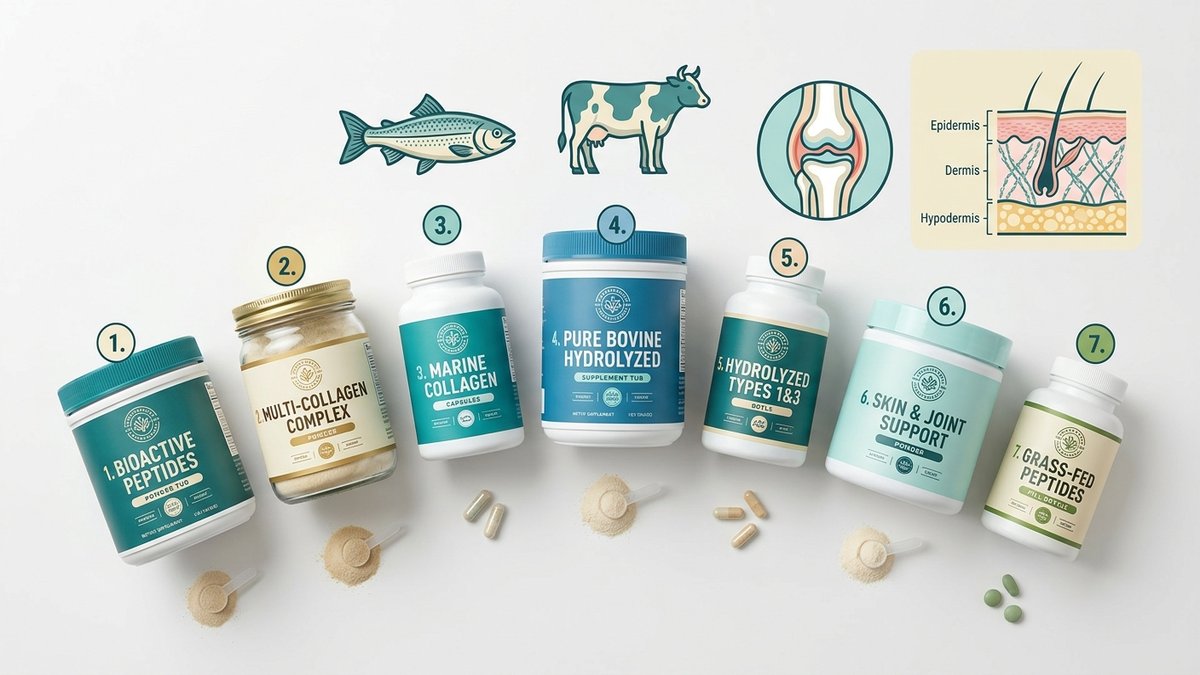
⚖️ Collagen Supplement That Actually Works for Aging Skin Over 50: Pros, Cons & Honest Reality
Finding a collagen supplement that actually works for aging skin over 50 means setting realistic expectations alongside understanding the genuine science. The clinical evidence for hydrolyzed collagen is more robust than skeptics suggest — but it's also more nuanced than the marketing implies. A meta-analysis published in the International Journal of Dermatology (2021) reviewed 19 randomized controlled trials involving 1,125 participants and concluded that oral collagen supplementation significantly improved skin elasticity, hydration, and dermal collagen density compared to placebo. The catch? Most trials ran for 8–24 weeks, used daily doses of 2.5g–10g, and participants saw gradual — not overnight — improvements. Women who approach collagen supplementation as a long-term lifestyle habit, not a 2-week experiment, are the ones who report the most transformative results.
It's also worth noting what collagen supplements cannot do. They are not a replacement for sunscreen, which remains the single most evidence-backed anti-aging intervention for skin. They cannot reverse severe photoaging or deep structural damage from decades of UV exposure. They won't produce results comparable to medical-grade procedures like retinoids, laser treatments, or fillers. However, for women over 50 looking for a safe, well-tolerated, daily-use intervention that supports skin hydration, elasticity, nail strength, joint comfort, and gut integrity simultaneously, hydrolyzed collagen peptides represent a compelling value proposition — especially when paired with a diet rich in Vitamin C, zinc, and antioxidants. Understanding both sides of this equation helps you invest wisely and avoid disappointment.
Pros
- ✅ Strong clinical backing for skin: A 2021 meta-analysis of 19 RCTs confirmed significant improvements in skin elasticity and hydration with hydrolyzed collagen supplementation.
- ✅ Multi-system benefits: A single high-quality collagen supplement can simultaneously support skin, hair, nails, joints, and gut lining — making it unusually cost-effective for women over 50.
- ✅ Excellent safety profile: Collagen peptides have no known serious drug interactions and are generally well-tolerated, even in women managing multiple health conditions post-menopause.
- ✅ Easy to incorporate: Unflavored collagen powder dissolves completely in hot or cold liquids, making it one of the easiest supplements to maintain as a daily habit without changing your routine.
Cons
- ❌ Results require patience: Clinical improvements typically take 8–12 weeks minimum of consistent daily use — women expecting rapid transformation within days will be disappointed.
- ❌ Dose is everything: Many affordable capsule-based products are dramatically under-dosed relative to clinical trial standards, wasting money without delivering measurable benefit.
- ❌ Not vegan-friendly: All effective collagen supplements are animal-derived (bovine, marine, or chicken); truly vegan 'collagen boosters' support synthesis but don't supply collagen itself.
⚠️ Important: If you have a fish, shellfish, or beef allergy, always check the collagen source before purchasing. Marine collagen is a known allergen for fish-sensitive individuals. Also consult your healthcare provider if you are on blood thinners, as high-dose amino acid supplementation may interact with certain medications.
✅ How Much Collagen Should a Woman Over 50 Take Daily — And When
The question of how much collagen a woman over 50 should take daily is one of the most practically important — and most frequently misunderstood — in the supplement space. Clinical research points to a clear therapeutic window: 2.5g per day is the minimum dose showing statistically significant effects on skin elasticity (per a landmark 2014 study in Skin Pharmacology and Physiology), while 10g per day is the dose most commonly associated with meaningful joint comfort improvements. For general anti-aging and skin support, most nutritionists and dermatologists recommend 5g–10g of hydrolyzed collagen peptides daily. Doses above 15–20g per day provide diminishing returns for most women and are typically unnecessary unless you're engaged in intense athletic training or recovery from injury. It's also worth noting that splitting doses (e.g., 5g in the morning and 5g post-workout or with dinner) may support better amino acid utilization, though the evidence on timing is less definitive than on total daily dose. For the best collagen for women over 50, consistency over months matters far more than precise timing. According to the [NIH Office of Dietary Supplements](https://ods.od.nih.gov/), amino acid supplementation safety profiles are well-established, but dose awareness remains important. You can also explore our related guide on [essential vitamins and supplements for women over 50](https://infowellhub.com/vitamins-for-women-over-50) for a comprehensive approach to post-menopausal nutrition.
Equally important is when to take your collagen — and what to take it with. The most common recommendation is to consume collagen peptides in the morning, ideally alongside Vitamin C (from food or a supplement), since Vitamin C is a required cofactor in collagen biosynthesis. Taking it on an empty stomach or with a light meal may improve absorption for some women, though the practical impact is modest compared to the importance of simply taking it consistently. Collagen taken in the evening (especially Types I and III powders mixed into a warm herbal tea) is an equally valid and enjoyable routine. The critical rule: take it every day, for at least 8 weeks, at a therapeutic dose. Women who do this with a high-quality hydrolyzed peptide product from our Top 7 list overwhelmingly report noticeable changes in skin texture, hydration, and nail strength — which is ultimately the goal. Top-rated collagen supplements for mature women work best as part of a broader skin-health strategy that includes UV protection, hydration, and antioxidant-rich foods.
❓ Frequently Asked Questions
✍️ Final Thoughts: Your Next Step Toward Stronger, More Resilient Skin and Joints
The best collagen for women over 50 isn't a gimmick — it's a scientifically grounded intervention backed by a growing body of randomized controlled trials showing real improvements in skin elasticity, hydration, joint comfort, and nail strength. After 50, your body's natural collagen production has declined by up to 30% compared to your 30s, and that gap widens with every passing year. The good news is that hydrolyzed collagen peptides — taken consistently at therapeutic doses of 5g–10g daily for at least 8–12 weeks — can meaningfully support your body's ability to maintain and repair collagen-rich tissues. The seven products highlighted in this guide were selected based on source quality, clinical dose alignment, third-party testing, and real-world usability. Whether you choose a wild-caught marine peptide powder for skin-first goals, a grass-fed bovine blend for comprehensive joint and skin support, or a multi-collagen formula for full-body coverage, you now have the knowledge to choose wisely rather than impulsively. Pair your supplement with daily Vitamin C, consistent hydration, and broad-spectrum SPF — and you're building a genuinely evidence-based anti-aging foundation.
Here's your clear next step: pick one product from our Top 7 list that aligns with your primary goal (skin, joints, or both), commit to a 90-day trial at the clinically studied dose, and track your results by photographing your skin in consistent lighting every two weeks. This isn't about vanity — it's about investing in the structural integrity of your body with the same intention you'd bring to any other health decision. Top-rated collagen supplements for mature women work best when they're part of a broader commitment to nourishing your body well. Visit InfoWellHub regularly for evidence-based supplement reviews, nutrition guides, and women's health deep-dives designed specifically for women navigating their 50s and beyond with confidence and clarity. You deserve information that actually helps — and results that are actually real.
Post a Comment