
📌 Table of Contents ⬆

Probiotics Side Effects When Starting: What's Normal vs Concerning
Picture this: You've just cracked open your brand-new bottle of probiotics, genuinely excited to finally do something good for your gut — and within 48 hours, you're bloated, gassy, and wondering if you've accidentally poisoned yourself. Sound familiar? You're not alone. Probiotics side effects when starting are so common that researchers estimate up to 70% of new probiotic users experience some form of digestive discomfort in the first one to two weeks. Here's the twist most blogs won't tell you: that bloating and rumbling? It might actually be a sign the probiotics are working. The real question — and the one this guide answers — is knowing exactly where the line is between 'my gut is adjusting' and 'I need to call my doctor right now.'
For more information, see: National Institutes of Health — Probiotics Fact Sheet, Mayo Clinic — Probiotics: What You Need to Know
📌 Quick Summary
- Most symptoms are temporary: Bloating, gas, and loose stools typically resolve within 2–4 weeks as your gut microbiome rebalances itself.
- Strain matters enormously: Different probiotic strains (like *Lactobacillus* vs. *Bifidobacterium*) trigger different reactions — choosing the wrong one amplifies side effects.
- Red flags exist: Severe abdominal pain, bloody stools, or symptoms persisting beyond 4 weeks are clear signals to stop and consult a healthcare provider.
📊 Why Probiotics Side Effects When Starting Are Completely Normal (And What's Actually Happening in Your Gut)
Let's get one thing straight before you throw that probiotic bottle in the trash: your gut is basically a city of 100 trillion microorganisms, and you just introduced millions of new residents all at once. Of course there's going to be some chaos. When you first start taking probiotics, you're deliberately disrupting a deeply established microbial ecosystem. The existing bacteria — some helpful, some not so much — don't just politely make room. There's a period of competition, die-off, and reorganization happening at a microscopic level. Scientists call this the 'microbiome modulation phase,' and it's the primary reason probiotics side effects when starting feel so uncomfortable despite being biologically harmless. A 2021 study published in *Cell Host & Microbe* found that individual gut microbiome compositions vary so dramatically that two people taking the exact same probiotic can have completely opposite early reactions. One person sails through; the other spends a week clutching their stomach. Neither response means the probiotic isn't working — it means everyone's gut is genuinely unique.
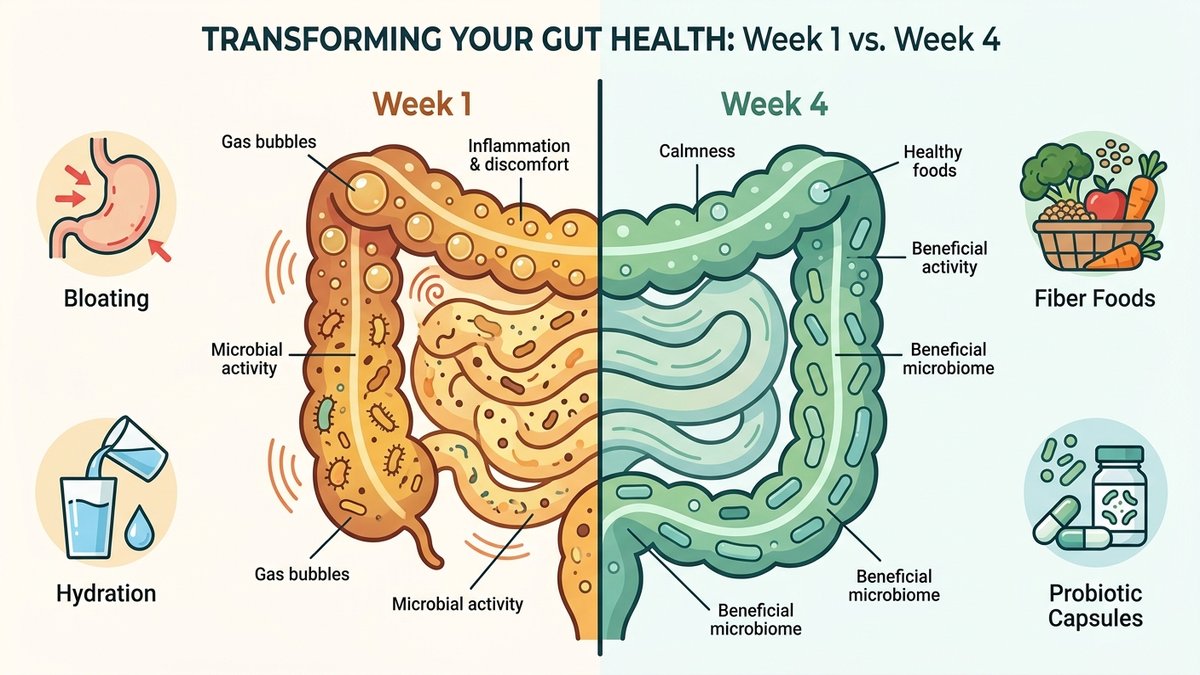
Here's the surprising part: the intensity of your initial side effects may actually correlate with how much your gut microbiome *needed* intervention in the first place. Research suggests that people with greater gut dysbiosis — meaning a more imbalanced microbial environment — tend to experience more pronounced initial probiotic adjustment symptoms than those with already relatively healthy gut flora. Think of it like starting a new workout routine. If you've been sedentary for years, your first week of exercise is going to hurt a lot more than it would for someone who was already moderately active. That muscle soreness isn't a sign you're damaging yourself — it's a sign your body is adapting. The exact same principle applies to your gut. What most people don't realize is that the discomfort window is actually a sign of microbial activity, not a red flag. The key is learning to read those signals accurately — which is exactly what the table below will help you do.
Normal Adjustment
Gas & bloating that fade within 2–4 weeks
Watch Closely
Symptoms beyond 4 weeks need medical review
Stop Immediately
Severe pain or bloody stools = call your doctor
| Symptom | Normal Phase | Typical Duration | Concern Level |
|---|---|---|---|
| Bloating & Gas | First 1–2 weeks | 3–14 days | ⭐ Low — very common |
| Loose Stools / Mild Diarrhea | First week | 3–7 days | ⭐⭐ Moderate — monitor closely |
| Constipation | First 1–2 weeks | Up to 14 days | ⭐⭐ Moderate — increase water intake |
| Mild Stomach Cramping | First 1–2 weeks | 5–10 days | ⭐⭐ Moderate — usually resolves |
| Headache / Brain Fog | Rare, first week | 3–5 days | ⭐⭐⭐ Higher — consider reducing dose |
💡 Key takeaway: The vast majority of probiotics side effects when starting fall into the 'normal adjustment' category and resolve on their own within 2–4 weeks — no intervention needed beyond patience and hydration.
🎯 How Long Do Probiotic Side Effects Last — And How to Make the Adjustment Easier
One of the most Googled questions after someone starts a new probiotic is 'how long do probiotic side effects last' — and honestly, it's the right question to ask. The honest answer? For most people, the roughest symptoms peak around days 3–5 and begin tapering off by the end of week two. By week four, the majority of users report that their digestive system has fully adapted and any initial discomfort has disappeared entirely. But here's the catch: that timeline assumes you're taking the right dose, the right strain, and giving your body the right supporting conditions. Dump a mega-dose of a high-CFU probiotic into a gut that's been living on fast food and antibiotics, and you're basically starting a gut war with no ceasefire plan. The discomfort doesn't have to be that intense — and a smarter starting strategy makes a massive difference.
What most guides completely skip over is the role of prebiotic fiber in smoothing out that adjustment period. Probiotics are live bacteria; they need food to survive and colonize. Without adequate dietary fiber — things like garlic, onions, bananas, and oats — the newly introduced bacteria have nothing to feed on and are more likely to cause erratic fermentation patterns, which translates directly into gas and bloating. A 2020 meta-analysis in *Nutrients* found that pairing probiotics with prebiotic fibers reduced self-reported GI discomfort by roughly 30% compared to probiotics taken alone. So if you're miserable right now, it may not be the probiotic itself — it may be the environment you're asking it to survive in.
Start Low and Go Slow With Your Dose
Instead of jumping straight to the full recommended dose, consider starting at half the suggested amount for the first week. If a supplement recommends two capsules daily, start with one. This gives your gut microbiome time to adjust gradually rather than being overwhelmed all at once. Research shows that a gradual titration approach significantly reduces the severity of initial probiotic adjustment symptoms without compromising the long-term effectiveness of the supplement. Many gastroenterologists specifically recommend this 'low and slow' strategy for patients with sensitive digestive systems or a history of antibiotic use, which can leave the gut particularly vulnerable to abrupt microbial changes.
Take Probiotics With Food (Not on an Empty Stomach)
Timing genuinely matters here. Taking your probiotic alongside a meal — ideally one containing some healthy fats and fiber — creates a more hospitable environment for the live bacteria to survive stomach acid transit. A study in *Beneficial Microbes* found that probiotic survival rates were significantly higher when supplements were taken within 30 minutes of eating, compared to being taken on an empty stomach. Fat appears to act as a buffer, protecting the bacterial cells from harsh gastric acid. If you've been swallowing your probiotic first thing in the morning before breakfast, try shifting it to lunchtime and see if your symptoms improve within just a few days.
Hydrate Aggressively During the Adjustment Period
This one sounds almost too simple, but it's genuinely underrated. Increased microbial activity in your gut requires more water to move waste through efficiently. Dehydration during the probiotic adjustment phase can significantly worsen both constipation and bloating, two of the most common early complaints. Aim for at least eight to ten glasses of water daily while your microbiome is recalibrating. Herbal teas — particularly peppermint and ginger — can also help soothe digestive cramping without interfering with probiotic colonization. Think of water as the infrastructure your gut bacteria need to do their jobs properly.
Add Prebiotic-Rich Foods to Your Daily Diet
As mentioned earlier, the bacteria in your probiotic need prebiotic fiber to thrive and colonize effectively. During your first four weeks, make a conscious effort to incorporate foods like garlic, leeks, asparagus, bananas, oats, and Jerusalem artichokes into your meals. These foods contain inulin and fructooligosaccharides (FOS), which are the preferred fuel sources for many beneficial probiotic strains like *Lactobacillus* and *Bifidobacterium*. The faster your newly introduced bacteria can establish a food supply and colonize the gut lining, the faster your adjustment symptoms will resolve. Think of it as building infrastructure for your new microbial community — they need a stable home before they can get to work.
⚖️ Normal vs. Concerning: When to Stop Taking Probiotics Due to Side Effects
Here's the truth most guides won't tell you: not every reaction to a new probiotic is a harmless adjustment symptom. There IS a real distinction between your gut recalibrating and your body genuinely rejecting or reacting badly to a supplement — and knowing that difference could matter a lot. The probiotics side effects when starting that fall into the 'normal' bucket are almost always digestive in nature, mild to moderate in intensity, and improving (even slightly) by the end of the second week. They don't come with fever, don't involve blood, and don't make you feel systemically unwell. If you're gassy and a little bloated but otherwise functioning normally, that's textbook adjustment. If you're running to the bathroom with severe diarrhea six times a day, developing a rash, or noticing that your symptoms are getting *worse* rather than better after two weeks — that's a different story entirely.
Knowing when to stop taking probiotics due to side effects comes down to recognizing a specific cluster of warning signs that go beyond the normal adjustment pattern. People with compromised immune systems — including those undergoing chemotherapy, living with HIV/AIDS, or taking immunosuppressant medications — face a genuinely elevated risk from probiotic supplementation. The NIH warns that in immunocompromised individuals, live bacterial strains can potentially cross the gut barrier and cause systemic infections, a rare but serious condition called probiotic-induced bacteremia. For the vast majority of healthy adults, this risk is essentially nonexistent — but it's critical context for understanding why probiotics aren't universally risk-free. The list below breaks down the honest pros and cons of starting a probiotic, so you can make a fully informed decision.
Pros
- ✅ Temporary discomfort, long-term benefit: Most initial side effects resolve within 2–4 weeks, after which users often report improved digestion, fewer bloating episodes, and better regularity.
- ✅ Immune system support: Studies show that certain strains like *Lactobacillus rhamnosus* can reduce the frequency of upper respiratory infections by up to 42% with consistent use.
- ✅ Mental health connection: Emerging research on the gut-brain axis links healthy microbiomes to reduced anxiety and improved mood — the discomfort of starting may be worth the long-game payoff.
- ✅ Antibiotic recovery: Probiotics are particularly beneficial after antibiotic courses, helping restore healthy gut flora and reducing antibiotic-associated diarrhea by up to 60% according to Cochrane Review data.
Cons
- ❌ Not regulated as drugs: Because probiotics are classified as dietary supplements in the US, the FDA does not verify their potency, purity, or label accuracy before they hit shelves — quality varies wildly between brands.
- ❌ Risk for immunocompromised individuals: People with weakened immune systems face a small but real risk of systemic infection from live bacterial strains — medical clearance is essential before starting.
- ❌ Histamine sensitivity reactions: Some strains (particularly certain *Lactobacillus* species) produce histamine as a byproduct, which can trigger headaches, skin flushing, and worsened allergy symptoms in histamine-sensitive individuals.
⚠️ 🚨 Stop taking your probiotic and contact a healthcare provider if you experience: fever above 101°F, bloody or persistently watery stools lasting more than 3 days, severe abdominal pain, skin rashes or hives, or any worsening of symptoms after the 2-week mark. These are NOT normal adjustment symptoms.
✅ Why Do Probiotics Cause Bloating at First — And Choosing the Right Strain to Minimize It
Let's tackle one of the most Googled follow-up questions head-on: why do probiotics cause bloating at first? The short answer is fermentation. When billions of new bacterial strains enter your colon and begin feeding on available dietary fiber, they produce gas as a metabolic byproduct — specifically hydrogen, carbon dioxide, and in some people, methane. This is the exact same process that happens when you eat a large serving of beans or cruciferous vegetables: fermentation = gas. The difference is that probiotics are introducing *active, living organisms* that are going to keep fermenting until they either colonize successfully or get crowded out. The bloating you feel during those first two weeks is essentially your gut microbiome reshuffling its deck. It's uncomfortable, yes. But it's not dangerous, and it's not permanent. The intensity of bloating often correlates directly with the CFU count (colony-forming units) of your probiotic — higher CFU doesn't always mean better, especially when you're starting out. Many gastroenterologists recommend beginning with a 1–5 billion CFU probiotic rather than jumping straight to the 50–100 billion CFU mega-doses that flood pharmacy shelves.
Here's where strain selection becomes genuinely game-changing. Not all probiotics are created equal, and the wrong strain can amplify exactly the symptoms you're trying to avoid. For example, *Lactobacillus acidophilus* — one of the most common strains in commercial probiotics — is a known histamine producer and can worsen bloating and headaches in sensitive individuals. On the other hand, *Bifidobacterium infantis* has been shown in clinical trials to specifically reduce IBS-related bloating and gas production. *Saccharomyces boulardii*, a probiotic yeast rather than a bacterium, is particularly well-tolerated by people who are sensitive to bacterial strains and is less likely to cause initial bloating at all. If you've tried a probiotic before and quit because of unbearable side effects, the problem may have been the specific strain, not probiotics in general. Switching strains — perhaps to a single-strain *Bifidobacterium* formula or an S. boulardii supplement — might give you a completely different and much smoother experience. Always read the label and, when in doubt, consult a registered dietitian who specializes in gut health before selecting your supplement. For more on building a gut-healthy lifestyle, check out our guide on [gut health foods that actually work](https://infowellhub.com/gut-health-foods) — it pairs perfectly with your new probiotic routine.
❓ Frequently Asked Questions
✍️ Final Thoughts: Your Gut Is Adjusting — Here's Your Next Step
If you've read this far, you're already ahead of the vast majority of people who either quit their probiotics after three days of bloating or keep pushing through symptoms that are actually warning signs. The reality of probiotics side effects when starting is this: discomfort is common, temporary, and often a sign that something real is happening in your gut. Your microbiome is a living, dynamic ecosystem — and changing it always comes with a period of turbulence. The key insight to hold onto is that 2 to 4 weeks is your benchmark. Symptoms improving within that window? You're likely in normal territory. Symptoms worsening or holding steady past four weeks? That's your cue to reassess. Most people who give up on probiotics early are abandoning them right before the adjustment phase ends — which means they never get to experience the benefits they started for in the first place. Don't be that person. Go in informed, go in with realistic expectations, and give your gut the time it needs to recalibrate.
Here's what I'd do if I were starting probiotics for the first time today: First, choose a lower-CFU single-strain or two-strain formula (aim for 5–10 billion CFU to start) rather than the highest-potency option on the shelf. Second, take it with lunch — not on an empty morning stomach — and pair it with a meal that includes healthy fats and fiber. Third, add one prebiotic-rich food to your diet each day (a sliced banana, a serving of oats, some garlic in your cooking) to give those new bacteria the fuel they need to set up shop. Fourth, track your symptoms in a simple note on your phone: date, what you felt, intensity on a scale of 1–10. This gives you real data to evaluate your progress and share with a doctor if needed. And fifth — give it the full four weeks before you make a judgment call. Your gut has been building its current ecosystem for years. A few weeks of adjustment is a very reasonable ask. You've got this.
Post a Comment