
📌 Table of Contents ⬆
Weight Loss Meal Plan for Women Over 50: Free 7-Day Template
Picture this: You're standing in your kitchen at 6 a.m., staring at the same fridge you've stared at for decades — but now, somehow, nothing you're eating is working the same way it used to. If you've been searching for a realistic weight loss for women over 50 meal plan, you already know the frustrating truth: what worked at 35 simply does not work at 52. Here's the stat that stopped me cold — research shows women gain an average of 1.5 pounds per year during the menopausal transition, and most standard diet advice completely ignores the hormonal, metabolic, and lifestyle shifts that make this stage so uniquely challenging. This 7-day template was built specifically for YOU — not for a 28-year-old fitness blogger — and by the end of this post, you'll have a done-for-you plan, a grocery list, and the science-backed reason why this approach actually works.
For more information, see: NIH — Calcium and Vitamin D Requirements for Women Over 50, Mayo Clinic — Menopause Weight Gain
📌 Quick Summary
- Metabolism slows significantly after 50: Women experience up to a 30% decrease in resting metabolic rate between ages 30 and 70, meaning calorie needs shift and old diets stop working.
- Protein is your best friend now: Studies show women over 50 need 1.2–1.6g of protein per kg of body weight daily to preserve muscle mass and support fat loss — most women eat far less.
- Hormones change everything: Declining estrogen after menopause directly promotes fat storage around the abdomen, making a targeted, anti-inflammatory meal plan more effective than generic calorie cutting.
📊 Why Your Body Needs a Different Weight Loss for Women Over 50 Meal Plan
Let's be honest for a second — you haven't changed your willpower. You haven't suddenly become lazy. What HAS changed is your biology, and it's changed in ways that most diet culture completely ignores. When estrogen levels drop during perimenopause and menopause, your body essentially receives a new set of operating instructions. Fat storage shifts from the hips and thighs — where estrogen once directed it — to the abdomen. According to the Mayo Clinic, this visceral belly fat isn't just a cosmetic issue; it increases the risk of heart disease, type 2 diabetes, and metabolic syndrome. So when you're searching for a weight loss for women over 50 meal plan, you're not being dramatic. You genuinely need a different approach, and the sooner we stop pretending otherwise, the sooner you'll start seeing real results. The table below breaks down exactly what changes after 50 and why each shift matters for your plate.
Here's the truth most guides won't tell you: cutting calories alone is one of the worst strategies for women over 50. When you slash calories without prioritizing protein and resistance-friendly nutrients, you accelerate muscle loss — and muscle is literally your metabolic engine. Sarcopenia, the age-related loss of muscle mass, begins in earnest after 50 and can reduce your resting metabolic rate by up to 3% per decade. A healthy eating plan for women over 50 must account for this by centering meals around high-quality protein, fiber-rich carbohydrates, and anti-inflammatory fats. The surprising part? Women who followed a protein-forward, moderate-calorie plan lost 35% more fat mass than those on a standard low-calorie diet in a 2022 clinical trial published in the *American Journal of Clinical Nutrition*. The food combinations in this 7-day plan are built around exactly that principle.
Hormone-Friendly Foods
Eat to balance estrogen and reduce belly fat naturally
Free 7-Day Template
Done-for-you meals, snacks & a printable grocery list
Metabolism Boosters
Simple swaps that reignite a slowing metabolism after 50
| Biological Change | What It Means | Diet Impact | Our Solution ⭐ |
|---|---|---|---|
| ↓ Estrogen | Fat migrates to abdomen | Belly fat increases | Anti-inflammatory foods ⭐⭐⭐⭐⭐ |
| ↓ Muscle Mass | Metabolism slows 3%/decade | Fewer calories burned at rest | High-protein meals ⭐⭐⭐⭐⭐ |
| ↑ Cortisol Sensitivity | Stress triggers fat storage | Cravings & overeating spike | Magnesium-rich foods ⭐⭐⭐⭐ |
| ↓ Insulin Sensitivity | Carbs processed less efficiently | Blood sugar swings worsen | Low-GI carbohydrates ⭐⭐⭐⭐⭐ |
| ↓ Thyroid Activity | Energy production slows | Fatigue & weight plateau | Iodine & selenium foods ⭐⭐⭐⭐ |
💡 Key takeaway: A weight loss for women over 50 meal plan must address hormonal shifts, muscle preservation, and blood sugar balance — not just calorie reduction.
🎯 The 7-Day Meal Plan for Menopause Weight Loss: Your Full Template
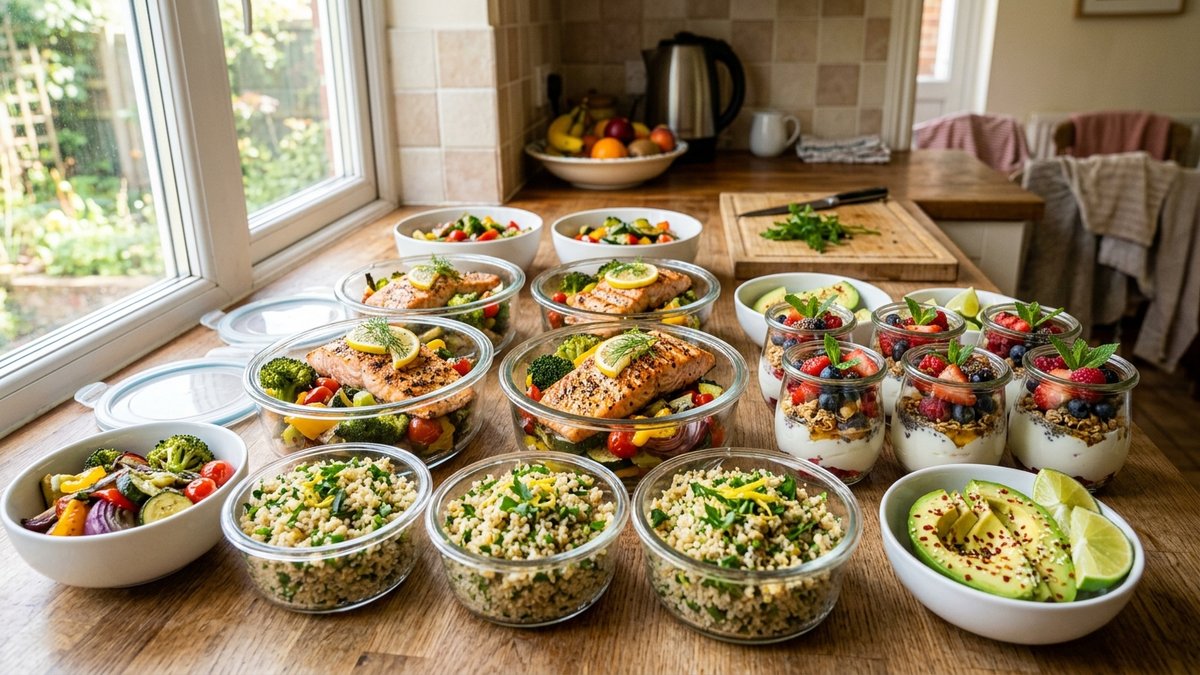
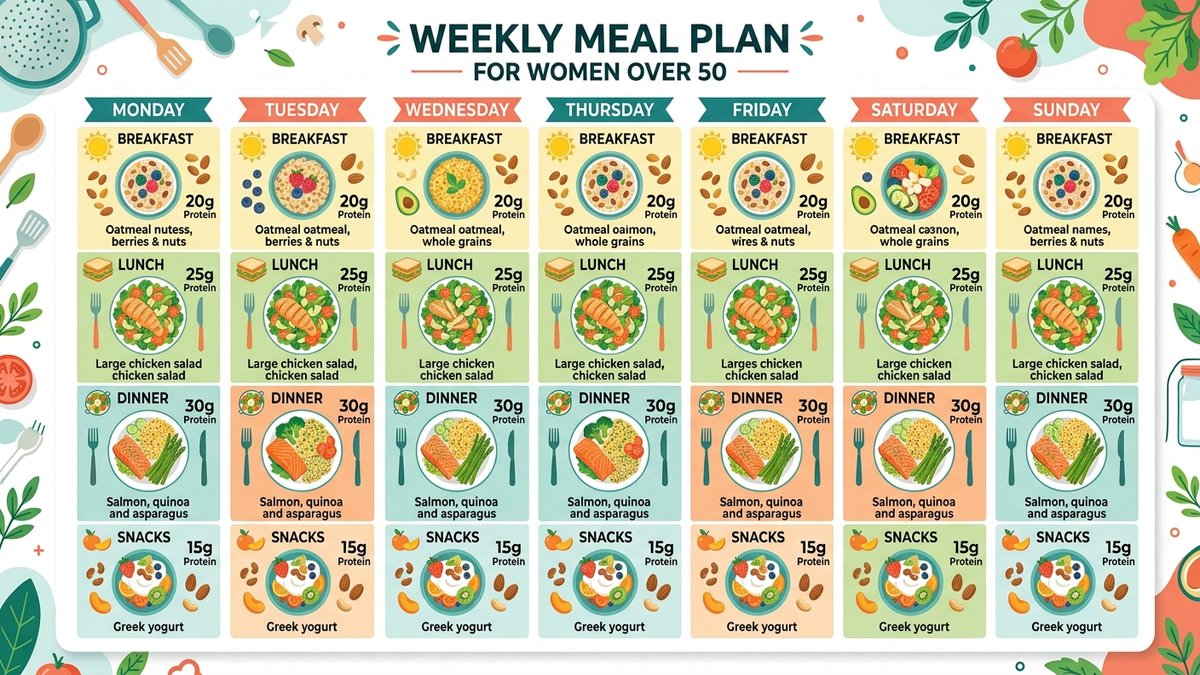
Alright, here's what you actually came for. This 7-day meal plan for menopause weight loss is designed around 1,400–1,600 calories per day, which creates a gentle caloric deficit while still providing adequate protein (targeting 90–110g daily), fiber (25–30g), and essential micronutrients that women over 50 need most — calcium, vitamin D, magnesium, and B12. You won't find starvation rations here. Every meal is satisfying, simple to prepare, and built from foods you can find at any grocery store. Each day follows the same intuitive structure: a protein-anchored breakfast, a fiber-rich lunch, a nourishing dinner, and one or two smart snacks that keep blood sugar stable instead of sending you into a 3 p.m. spiral. 💡 Pro Tip: Meal prep Sunday for just 60 minutes — batch-cook your grains, hard-boil eggs, and chop vegetables — and you'll breeze through the weekday meals without thinking twice.
One thing that sets this weight loss for women over 50 meal plan apart is the deliberate inclusion of phytoestrogen-rich foods like edamame, flaxseeds, and tofu on rotating days. Phytoestrogens are plant compounds that weakly mimic estrogen in the body, and a growing body of research suggests they can help ease menopausal symptoms and support hormonal balance during the transition. The plan also prioritizes calcium-forward meals — because bone density loss accelerates after menopause, and women over 50 need 1,200mg of calcium daily according to the NIH. Think: Greek yogurt at breakfast, leafy greens at lunch, salmon at dinner. Delicious and purposeful. ⚡ Quick Fact: Women who eat at least 3 servings of dairy or fortified plant-based alternatives daily have significantly lower rates of osteoporosis-related fractures. Let's get into the actual days.
Days 1–2: Reset & Rebuild (Anti-Inflammatory Focus)
Day 1 — Breakfast: Greek yogurt parfait with blueberries, 1 tbsp ground flaxseed, and a drizzle of honey (320 cal, 22g protein). Lunch: Large spinach salad with grilled salmon, cherry tomatoes, cucumber, avocado, and lemon-tahini dressing (420 cal, 35g protein). Dinner: Baked chicken thighs with roasted sweet potato and steamed broccoli (430 cal, 38g protein). Snack: 1 oz walnuts + 1 small apple (200 cal). Day 2 — Breakfast: 2 scrambled eggs + 1 slice Ezekiel bread + half an avocado (340 cal, 18g protein). Lunch: Lentil and vegetable soup with a small whole-grain roll (380 cal, 18g protein). Dinner: Shrimp stir-fry with bok choy, snap peas, and brown rice (410 cal, 32g protein). Snack: Celery sticks with 2 tbsp almond butter (180 cal). These two days flood your system with omega-3s and antioxidants to reduce the inflammation that makes belly fat so stubborn after menopause.
Days 3–4: Protein Power (Muscle-Preservation Focus)
Day 3 — Breakfast: Cottage cheese bowl with pineapple chunks and a sprinkle of chia seeds (290 cal, 28g protein). Lunch: Turkey and hummus wrap in a whole-wheat tortilla with mixed greens and sliced bell peppers (400 cal, 30g protein). Dinner: Lean beef stir-fry with zucchini noodles, mushrooms, and a low-sodium soy-ginger sauce (440 cal, 36g protein). Snack: Hard-boiled egg + 10 olives (160 cal). Day 4 — Breakfast: Protein smoothie: 1 scoop vanilla whey protein, 1 cup unsweetened almond milk, half a banana, 1 cup spinach, 1 tbsp peanut butter (340 cal, 30g protein). Lunch: Quinoa bowl with roasted chickpeas, diced cucumber, cherry tomatoes, feta cheese, and a lemon-herb vinaigrette (410 cal, 20g protein). Dinner: Baked cod with roasted asparagus and cauliflower mash (390 cal, 38g protein). Snack: ¾ cup edamame in the shell (150 cal, 11g protein). 💡 Pro Tip: If you're not used to eating this much protein, increase gradually over 1–2 weeks to avoid digestive discomfort.
Days 5–6: Blood Sugar Balance (Insulin-Sensitivity Focus)
Day 5 — Breakfast: Veggie egg muffins (2 muffins made with eggs, spinach, red pepper, and feta) + 1 small orange (310 cal, 20g protein). Lunch: Big Mediterranean plate: 3 oz grilled chicken, ½ cup hummus, tabbouleh, whole-grain pita, and tzatziki (430 cal, 32g protein). Dinner: Turkey chili (lean ground turkey, kidney beans, diced tomatoes, onion, cumin, chili powder) — make a big batch! (420 cal, 38g protein). Snack: 1 cup unsweetened kefir (110 cal, 11g protein). Day 6 — Breakfast: Steel-cut oats cooked in low-fat milk, topped with 1 tbsp almond butter, sliced banana, and cinnamon (360 cal, 14g protein). Lunch: Leftover turkey chili over a bed of arugula with a squeeze of lime (380 cal, 36g protein). Dinner: Herb-crusted pork tenderloin with roasted Brussels sprouts and a small baked potato (450 cal, 40g protein). Snack: 1 oz dark chocolate (70%+) + 10 almonds (190 cal). ⚡ Quick Fact: Cinnamon has been shown in multiple studies to improve insulin sensitivity by up to 29% — add it to your oats, smoothies, and even coffee freely.
Day 7: Gentle Treat Day (Sustainability Focus)
Day 7 is intentional. Sustainable weight loss for women over 50 requires a psychological permission structure — meaning you need to build in flexibility so you don't feel deprived and quit by week two. Breakfast: Whole-grain pancakes (made with oat flour, egg, and mashed banana) topped with fresh strawberries and a dollop of Greek yogurt instead of syrup (370 cal, 16g protein). Lunch: Avocado toast on sourdough with a poached egg and everything bagel seasoning + a side of mixed greens (390 cal, 18g protein). Dinner: Your choice — pick one of your favorite meals from days 1–6, or enjoy a restaurant meal using the 'half plate rule': fill half your plate with vegetables first, then add protein, then a small portion of whatever you love (aim for 400–500 cal). Snack: Fruit salad with a small handful of mixed nuts (200 cal). This day teaches you the skill that matters most in the long run: eating mindfully in any environment, not just controlled meal-prep conditions. That skill is what makes results last.
⚖️ Best Foods for Women Over 50 to Lose Weight — and What to Limit
Let's talk food philosophy, because the best foods for women over 50 to lose weight aren't necessarily what diet culture has been pushing for the last 30 years. Forget the idea that fat is your enemy or that you need to survive on lettuce leaves. The most effective approach for this life stage is an anti-inflammatory, protein-rich, low-glycemic diet that works with your hormones instead of against them. Foods like fatty fish (salmon, sardines, mackerel) supply omega-3s that directly combat the inflammatory response linked to menopausal weight gain. Leafy greens provide magnesium, which supports cortisol regulation — critical since elevated cortisol after 50 directly promotes abdominal fat storage. Fermented foods like kefir, yogurt, and kimchi support gut microbiome diversity, which research published in Nature links to healthier weight management and reduced inflammation. These aren't trendy superfoods — they're science-backed staples that belong on your plate every single day.
On the flip side, certain foods actively work against your goals at this stage — and again, they're not always the ones you'd expect. Ultra-processed foods are the obvious villain, but what surprises many women is how much alcohol derails progress after 50. Even moderate drinking (1–2 drinks per day) significantly disrupts sleep quality, spikes cortisol, and adds empty calories that the slowing metabolism can no longer easily burn. Similarly, high-sodium processed foods cause water retention that can mask fat loss on the scale and discourage women who are actually making progress. And refined carbohydrates — white bread, pastries, sugary cereals — hit a post-50 metabolism like a blood sugar freight train, triggering insulin spikes that directly promote fat storage. The good news: you don't have to eliminate anything permanently. Awareness plus smart swaps gets you 80% of the way there without feeling like you're living on willpower alone.
Pros
- ✅ Fatty Fish (Salmon, Sardines): Rich in omega-3s that reduce inflammation and support fat metabolism — aim for 2+ servings per week
- ✅ Greek Yogurt & Kefir: Deliver protein (17g per cup) + probiotics for gut health and satiety — a double win for this life stage
- ✅ Leafy Greens (Spinach, Kale, Arugula): High in magnesium and calcium with near-zero calories — support cortisol balance and bone density simultaneously
- ✅ Legumes (Lentils, Chickpeas, Edamame): Plant protein + fiber combo keeps blood sugar stable for hours — phytoestrogens in soy-based options may ease hot flashes
Cons
- ❌ Alcohol: Even 1 drink nightly disrupts deep sleep, elevates cortisol, and adds ~100–150 empty calories per serving — limit to 3–4 occasions per week max
- ❌ Refined Carbohydrates: White bread, pastries, and sugary cereals spike insulin and promote visceral fat storage — swap for whole-grain versions with GI under 55
- ❌ High-Sodium Processed Foods: Cause water retention that masks fat loss progress on the scale — target under 1,500mg sodium/day for women over 50 with cardiovascular risk
⚠️ 💡 Important: Women over 50 should aim for at least 1,200mg of calcium and 800–1,000 IU of vitamin D daily (per NIH guidelines) — both are critical for bone density and are often missed on restrictive diets. Always consult your doctor before starting any new meal plan, especially if you're managing thyroid conditions, osteoporosis, or cardiovascular disease.
✅ How to Lose Belly Fat After 50 for Women: Beyond the Meal Plan
Here's a reality check that this plan wouldn't be complete without: the meal plan is 70–80% of the equation for how to lose belly fat after 50 for women, but the other 20–30% matters enormously — especially for visceral abdominal fat, which is notoriously resistant to diet alone. The most impactful addition? Resistance training. Multiple studies — including a landmark trial from the *Journal of the American Medical Association* — show that women who combine a calorie-controlled diet with strength training twice per week lose significantly more visceral belly fat than those who only diet or do cardio. You don't need a gym. Bodyweight squats, resistance bands, and dumbbell exercises done at home three times per week can produce measurable results in as little as 8–12 weeks. Pair your weight loss for women over 50 meal plan with a 30-minute walk daily and two resistance sessions per week, and you've assembled the most evidence-backed fat-loss formula available for this life stage. Check out our related guide on [exercise routines for women over 50](https://infowellhub.com) for a complete beginner-friendly program. ✅ Your Week 1 Action Checklist: - [ ] Print or save the 7-day meal plan - [ ] Grocery shop on Sunday using the template - [ ] Prep proteins and vegetables in bulk for weekdays - [ ] Set a daily step goal (start at 7,000 — work up to 10,000) - [ ] Track meals for the first 3 days to build awareness - [ ] Schedule 2 resistance training sessions this week - [ ] Drink at least 8 cups of water daily (hydration supports metabolism) - [ ] Get 7–9 hours of sleep (sleep deprivation directly increases ghrelin, the hunger hormone)
Sleep is the wildly underrated component of every weight loss strategy — and it becomes even more critical after 50. Women in perimenopause and menopause experience significantly disrupted sleep due to night sweats, anxiety, and hormonal fluctuations, and this sleep disruption is directly tied to increased appetite and poor food choices the next day. In fact, a study from the *University of Chicago* found that sleep-deprived participants consumed an average of 300–400 additional calories per day — almost entirely from high-carb, high-fat comfort foods. The meal plan helps regulate blood sugar, which in turn can improve sleep quality. But you can accelerate this by creating a consistent sleep routine: dim lights after 8 p.m., avoid screens for 30 minutes before bed, keep your room cool (around 65–68°F is optimal for most people), and consider a magnesium glycinate supplement in the evening — 400mg has been shown to improve sleep quality in multiple trials, and most women over 50 are deficient. When your sleep improves, your cortisol drops, your cravings stabilize, and your weight loss for women over 50 meal plan starts working noticeably better. It's not magic — it's biology working FOR you.
❓ Frequently Asked Questions
✍️ Final Thoughts: Your Next Step Starts Today
If you've read this far, you're already ahead of the vast majority of women who resign themselves to the idea that weight gain after 50 is just 'inevitable.' It's not. It's manageable. It's reversible. And with the right weight loss for women over 50 meal plan — one that actually accounts for your hormones, your metabolism, and your real life — meaningful change is absolutely within reach. What I want you to take away from this guide is not just a week of meals, but a completely new lens for thinking about food after 50. Protein is your best ally. Anti-inflammatory foods are your daily medicine. Sleep is your secret weapon. And sustainability — choosing a path you can actually walk for months and years, not just seven days — is the only strategy that produces lasting results. You've spent decades nourishing everyone else. This plan, this week, is about nourishing yourself with the same care, precision, and intention. You deserve to feel strong, energized, and at home in your body at every age — and especially now.
Here's what I'd do if I were starting this journey today — three concrete steps to get moving right now: Step 1: Screenshot or print the 7-day template and go grocery shopping this weekend. Preparation is 90% of success. Step 2: Commit to tracking your meals in a free app like Cronometer or MyFitnessPal for just the first two weeks — not obsessively, but to build self-awareness around protein and calorie intake. Most women are genuinely shocked by what they discover. Step 3: Add one 20–30 minute resistance training session this week. Just one. You don't need a gym — YouTube has hundreds of free dumbbell and bodyweight routines designed specifically for women over 50. Build the habit small before you build it big. And please — bookmark this page, share it with a friend who needs it, and come back to the InfoWellHub blog for more practical, evidence-backed guidance on living your healthiest life after 50. This is just the beginning of what's possible for you.
Post a Comment