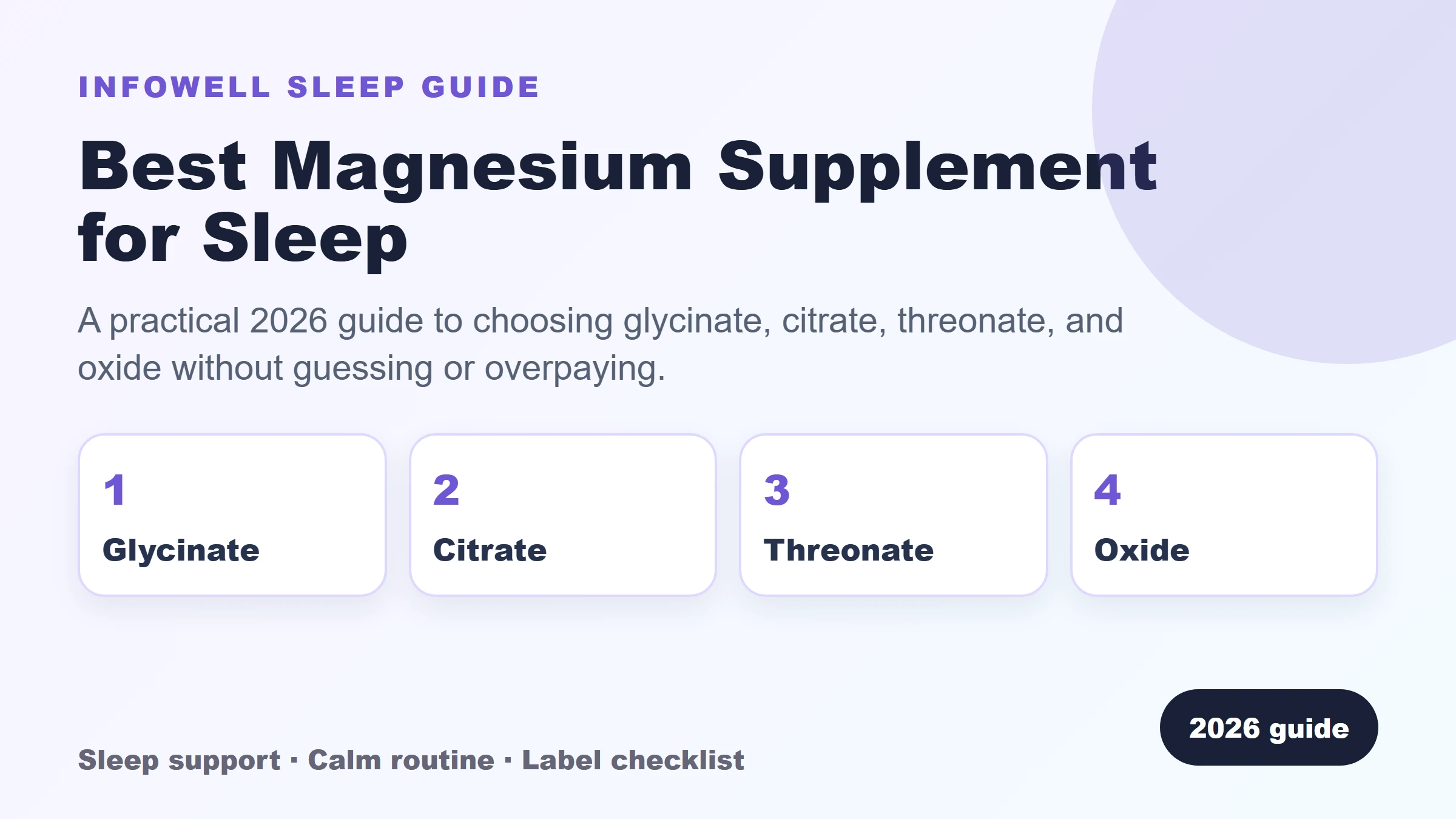
Best Magnesium Supplement for Sleep & Anxiety (2026 Expert Pick)

📌 Table of Contents ⬆

    Best Magnesium Supplement for Sleep & Anxiety (2026 Expert Pick)

    Picture this: It's 2:47 AM, and you're wide awake — heart doing that low-grade nervous flutter, brain replaying tomorrow's to-do list like a broken record, and you've already tried the lavender pillow spray, the white noise app, and counting backwards from 300. Sound familiar? If you've been searching for the best magnesium supplement for sleep anxiety, you're in very good company — and honestly, you're asking exactly the right question. Here's the number that stopped me cold: nearly 48% of Americans are estimated to be deficient in magnesium, according to data published in the National Health and Nutrition Examination Survey — and low magnesium is directly linked to elevated cortisol, disrupted sleep cycles, and heightened anxiety responses. The wild part? Most people never connect those 3 AM wake-ups to a mineral they could fix at the grocery store. This guide is going to change that.

    48%Americans estimated magnesium-deficient
    300+Enzymatic reactions magnesium supports
    ~$1.2BGlobal magnesium supplement market (2024)

    For more information, see: NIH: Magnesium Fact Sheet, Mayo Clinic: Magnesium

    📌 Quick Summary

    • Not all magnesium is equal: Magnesium glycinate is the gold standard for sleep and anxiety — superior absorption with virtually no laxative effect compared to cheaper oxide forms.
    • Deficiency is widespread: Studies suggest up to 48% of US adults don't meet the daily magnesium requirement (420mg for men, 320mg for women), making supplementation highly relevant.
    • Timing matters enormously: Taking magnesium 30–60 minutes before bed maximizes its GABA-enhancing, cortisol-lowering effect — most people take it at the wrong time.

    📊 Why Magnesium Is the Best-Kept Secret in Sleep & Anxiety Science

    Here's the truth most guides won't tell you: magnesium isn't just a 'nice to have' mineral — it's a master regulator of your nervous system, and without enough of it, sleep and anxiety problems are almost a biological inevitability. Magnesium activates the parasympathetic nervous system (your 'rest and digest' mode), binds to GABA receptors in the brain (the same receptors targeted by anti-anxiety medications like benzodiazepines), and suppresses the release of cortisol, your primary stress hormone. When your magnesium levels drop — and they drop easily through stress, alcohol, caffeine, and even sweating — your brain literally loses its natural braking system. You become more reactive to stress, your sleep architecture deteriorates, and that anxious hum that follows you through the day gets louder. This is why finding the best magnesium supplement for sleep anxiety isn't just a wellness trend — it's addressing a genuine physiological gap that millions of Americans are silently living with every single day.

    The surprising part? Magnesium deficiency is notoriously hard to detect through standard blood tests, because only about 1% of your body's magnesium is found in the bloodstream — the rest is stored in bones and soft tissues. That means your doctor could run a standard panel and tell you your magnesium looks 'normal' while your cells are quietly running on fumes. Research published in the journal *Nutrients* found that oral magnesium supplementation significantly improved subjective measures of insomnia and anxiety in older adults within just 8 weeks. Another study in *PLOS ONE* found that magnesium intake was inversely associated with depression and anxiety scores in a large population sample. What most people don't realize is that the form of magnesium you choose changes everything — oxide, citrate, glycinate, and L-threonate all have dramatically different absorption rates, mechanisms, and side effect profiles. Picking the wrong one is like buying a car without an engine.

    Magnesium Glycinate

    Best for sleep & anxiety — gentle, highly absorbable

    Magnesium L-Threonate

    Best for cognitive calm — crosses blood-brain barrier

    Magnesium Citrate

    Best budget option — good absorption, mild laxative

    Magnesium FormAbsorption RateBest ForGI Side EffectsRating
    Magnesium GlycinateHigh (~80%)Sleep & AnxietyMinimal ✅⭐⭐⭐⭐⭐
    Magnesium L-ThreonateHigh (brain-targeted)Cognitive calm, memoryVery Minimal ✅⭐⭐⭐⭐⭐
    Magnesium CitrateModerate-High (~70%)General deficiency, constipationMild laxative ⚠️⭐⭐⭐⭐
    Magnesium MalateModerate-HighEnergy + daytime anxietyMinimal ✅⭐⭐⭐⭐
    Magnesium OxideLow (~4%)Occasional heartburnStrong laxative ❌⭐⭐

    💡 Key takeaway: Magnesium glycinate delivers the best combination of high bioavailability, nervous system support, and minimal digestive upset — making it the top pick for sleep and anxiety specifically.

    🎯 How to Choose the Best Magnesium Supplement for Sleep Anxiety (Step-by-Step)

    Okay, so you're sold on magnesium — great. But walk into any supplement aisle or scroll through Amazon for five minutes and your brain will short-circuit. There are dozens of forms, brands, dosages, and combinations, each promising to fix your sleep and anxiety better than the last. Here's how I'd approach this if I were starting from scratch today, using the same framework I'd give a close friend who just texted me in a panic at 11 PM asking what to buy. The goal is to match the right form to your specific symptom profile, then choose a reputable brand with third-party testing, then dial in timing and dosage. It's actually simpler than the supplement industry wants you to think.

    One thing that trips people up constantly: they buy a 'magnesium complex' with five different forms blended together, assuming more is better. Sometimes it is — but often you're getting sub-therapeutic doses of each form, paying a premium, and getting unpredictable results. If your primary concern is sleep and anxiety (which it likely is, since you're here searching for the best magnesium supplement for sleep anxiety), specificity wins. A single, high-quality magnesium glycinate or glycinate-threonate combination at the right dose will outperform a kitchen-sink blend almost every time. Let me walk you through the exact steps.

    1

    Identify Your Primary Symptom Profile

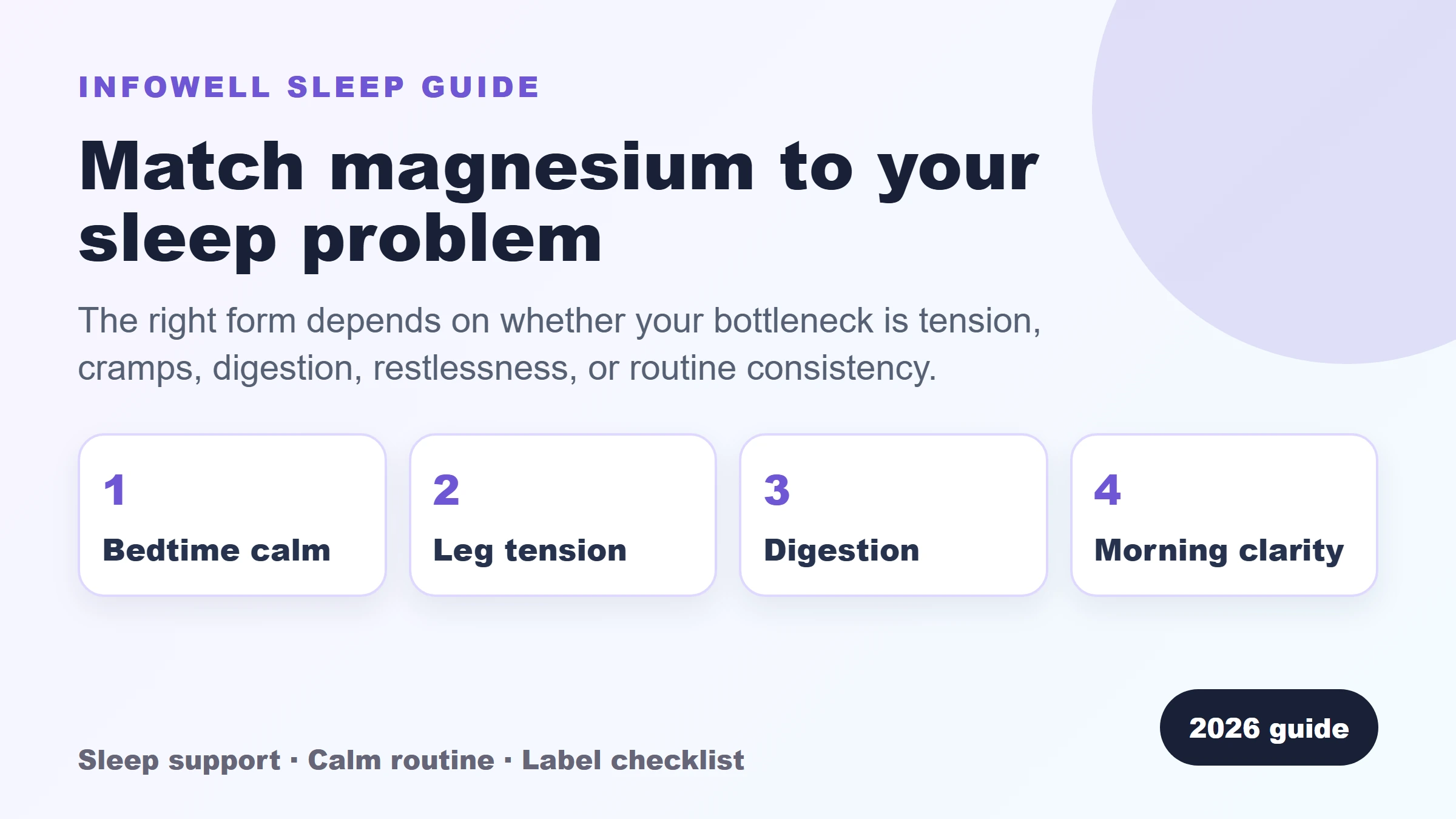
    Before you buy anything, get clear on what's actually bothering you most. Is it primarily falling asleep (sleep onset issues)? Staying asleep (middle-of-the-night wake-ups)? Daytime anxiety that bleeds into evening restlessness? Or a combination? If your #1 issue is sleep onset and racing thoughts at bedtime, magnesium glycinate at 200–400mg taken 45–60 minutes before bed is your best starting point — full stop. If you also struggle with daytime cognitive anxiety or brain fog, a glycinate + L-threonate combination product (like Magnesium Breakthrough or Doctor's Best Magnesium) may serve you better. Matching the form to the symptom is the single most impactful decision you'll make in this process.

    2

    Check for Third-Party Testing (Non-Negotiable)

    This step is the one most people skip, and it's the one that matters most for safety and efficacy. The supplement industry in the US is not FDA-regulated the same way pharmaceuticals are, which means what's on the label isn't always what's in the bottle. Look for products with NSF Certified for Sport, USP Verified, or Informed Sport certification — these are independent third-party testing programs that verify purity, potency, and the absence of contaminants. Brands like Pure Encapsulations, Thorne, and NOW Foods consistently score well in independent testing. Avoid any magnesium supplement that doesn't disclose its testing credentials — price alone is not a proxy for quality. A $12 magnesium oxide with no certifications is not a deal; it's a gamble.

    3

    Get the Dosage Right for Sleep and Anxiety

    Figuring out how much magnesium to take for anxiety and sleep is where most guides give you a frustratingly vague answer. Here's a specific framework: Start with 200mg of elemental magnesium glycinate per night for the first week. 'Elemental' is the key word — check your supplement's label, because 400mg of magnesium glycinate as a compound only contains about 50mg of elemental magnesium. Brands list this differently, which causes massive confusion. If you tolerate 200mg well and see only partial improvement after 2 weeks, bump to 300–400mg elemental nightly. The National Institutes of Health sets the tolerable upper intake level for supplemental magnesium at 350mg/day for adults — above this, loose stools can occur in some individuals, though glycinate is far more forgiving than other forms.

    4

    Stack Smartly (Optional but Powerful)

    Once you've got your magnesium foundation dialed in, there are a few evidence-backed additions worth considering if sleep and anxiety remain stubborn. Magnesium + L-theanine (200mg of L-theanine from green tea) is one of the most well-researched non-pharmaceutical combinations for promoting calm focus and sleep quality — several randomized controlled trials support this pairing. Magnesium + vitamin B6 has been shown in a 2021 randomized trial published in *PLOS ONE* to reduce stress and anxiety scores significantly better than either supplement alone. And if you're specifically dealing with a magnesium supplement that doesn't cause digestive issues, glycinate is your best bet — but adding a small amount of food (like a handful of almonds) when you take it can further reduce any mild GI sensitivity in those with sensitive stomachs.

    ⚖️ Magnesium Glycinate vs Threonate for Sleep: The Honest Comparison

    This is the debate that fills Reddit threads and supplement forums, and honestly, both sides have a point. Magnesium glycinate vs threonate for sleep is less of a competition and more of a 'right tool for the right job' situation — but since most people need to pick one to start, let's settle it properly. Magnesium glycinate binds magnesium to the amino acid glycine. Glycine itself is a calming neurotransmitter that has been shown in independent research to improve sleep quality, reduce core body temperature at night (a key trigger for deep sleep), and decrease daytime fatigue. So you're getting a double benefit: the magnesium and the glycine working synergistically. It's also the gentlest form on your gut, which is a real selling point if you've tried magnesium before and spent the next morning regretting it.

    Magnesium L-threonate, on the other hand, was developed by MIT researchers specifically to cross the blood-brain barrier more efficiently than other forms — a property unique among magnesium compounds. Animal studies showed it could increase brain magnesium concentrations by 15% more than magnesium sulfate, and human clinical trials have shown improvements in cognitive flexibility, memory, and anxiety measures. The trade-off? It's significantly more expensive (often 3–4x the cost of glycinate), and the human evidence base is still growing compared to the broader glycinate literature. For pure sleep and anxiety relief on a budget, glycinate wins. For those with cognitive anxiety — the kind where your brain just won't stop problem-solving even at midnight — L-threonate may be worth the premium. Many people find the ideal top magnesium supplement for rest and stress relief is actually a product combining both.

    Pros

    • Magnesium glycinate — superior gut tolerance: Unlike citrate or oxide, glycinate rarely causes loose stools even at higher doses, making it sustainable for long-term daily use.
    • Dual-action via glycine: The glycine component independently promotes sleep by lowering core body temperature and modulating NMDA receptors — a unique advantage no other magnesium form offers.
    • L-threonate crosses the blood-brain barrier: MIT-developed and clinically studied for brain magnesium elevation — offers cognitive and anxiety benefits beyond what peripheral magnesium forms can achieve.
    • Both are widely available and third-party tested: Reputable versions of both forms exist from NSF and USP-certified brands at accessible price points ($20–$50/month).

    Cons

    • L-threonate is significantly more expensive: Expect to pay $40–$60/month for a quality threonate product vs. $15–$25 for glycinate — a real barrier for consistent long-term use.
    • Neither form works overnight for chronic deficiency: Restoring intracellular magnesium levels typically takes 4–8 weeks of consistent supplementation — patience is required and often underestimated.
    • High doses of any form can interact with medications: Magnesium can interfere with antibiotics (tetracyclines, fluoroquinolones), bisphosphonates, and certain diuretics — always check with your doctor if you're on prescription medications.

    ⚠️ ⚡ Quick Fact: Magnesium glycinate is the #1 recommended form by integrative physicians and sleep specialists for addressing sleep and anxiety simultaneously — and it's the form with the most robust human clinical data for these specific applications.

    ✅ Our 2026 Expert Pick: The Best Magnesium Supplement for Sleep Anxiety

    After combing through clinical research, third-party testing databases, and real user outcomes, here's the honest breakdown of the top contenders for the best magnesium supplement for sleep anxiety in 2026. Our overall #1 pick is Pure Encapsulations Magnesium Glycinate — and it's not particularly close. Pure Encapsulations is one of the only supplement brands to be NSF Certified, hypoallergenic (no fillers, artificial colors, or common allergens), and independently tested for label accuracy. Each capsule delivers 120mg of elemental magnesium glycinate, making dosing flexible and easy to titrate. At roughly $0.30–$0.40 per capsule, it's not the cheapest option, but given the certification and purity standards, it represents genuine value. For people who specifically want the magnesium glycinate vs threonate for sleep debate answered in one product, Magnesium Breakthrough by BiOptimizers combines seven different forms including both glycinate and L-threonate — it's pricier at ~$40–$50/month but earns strong marks for completeness. For a budget-friendly third-party tested option, NOW Foods Magnesium Glycinate (NSF certified) at around $15–$20/month delivers solid elemental magnesium at 100mg per tablet and has an excellent long-term safety record in the supplement community.

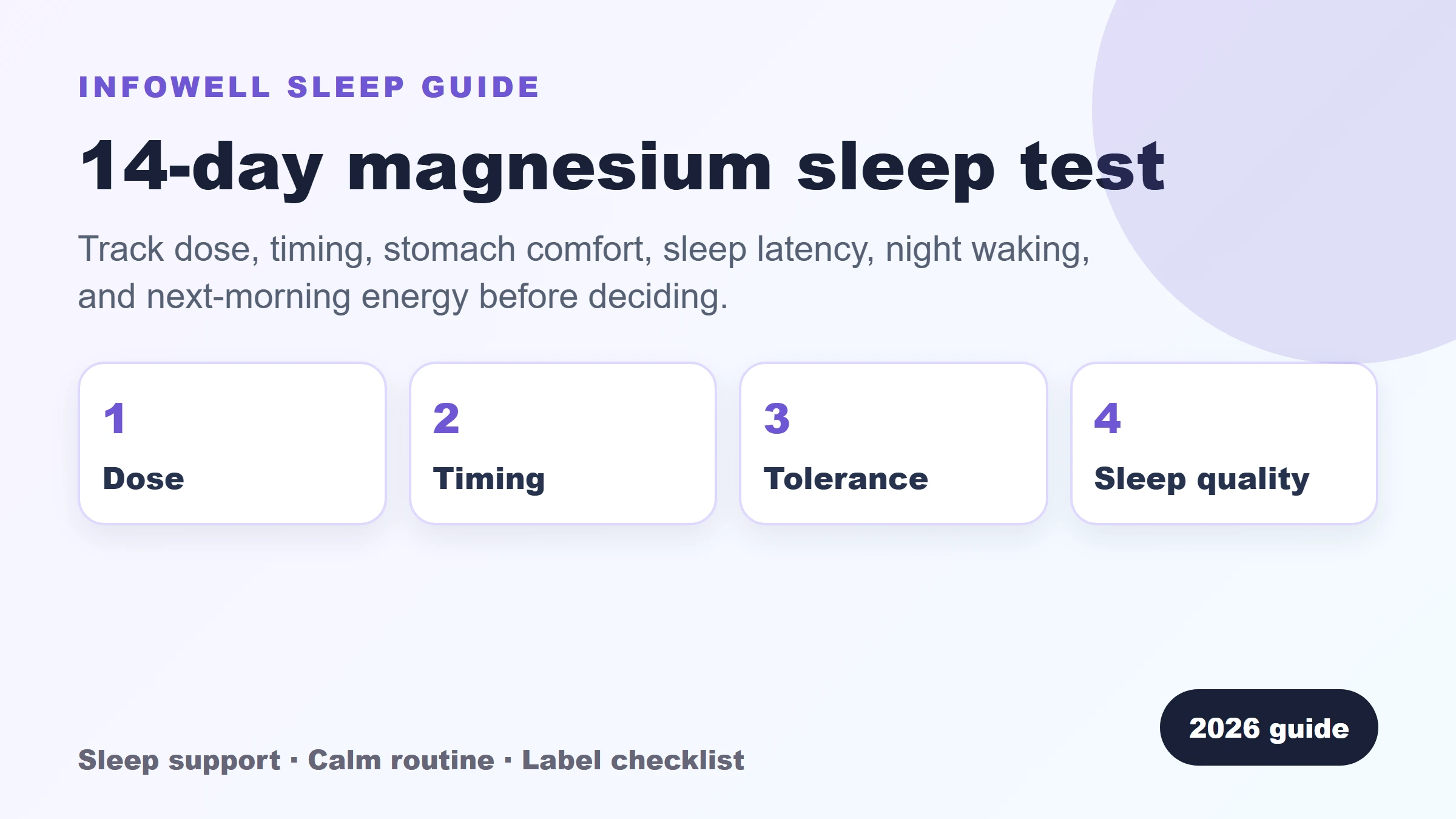
    💡 Pro Tip: If you're new to magnesium and want to figure out how much magnesium to take for anxiety and sleep without any guesswork, start with Pure Encapsulations Magnesium Glycinate at 2 capsules (240mg elemental) taken 45 minutes before bed with a small snack. Keep a simple sleep journal for 30 days — note time to fall asleep, number of wake-ups, and morning anxiety level on a 1–10 scale. You'll have real personal data to work with by week 4, and you'll know whether you need to adjust your dose or add an L-threonate component. Most people see meaningful improvement in sleep onset within 2–3 weeks and anxiety reduction within 4–6 weeks at consistent therapeutic doses. The key word is *consistent* — magnesium isn't melatonin; it doesn't knock you out on night one. It rebuilds your nervous system's foundation, and that takes a little time. It's absolutely worth it.

    ❓ Frequently Asked Questions

    Q1. What is the best magnesium supplement for sleep anxiety in 2026?
    Magnesium glycinate is the top choice for the vast majority of adults dealing with sleep and anxiety issues simultaneously. The glycine component promotes sleep by lowering core body temperature and activating calming GABA receptors, while the magnesium itself suppresses cortisol and supports the parasympathetic nervous system. Our top-rated product for 2026 is Pure Encapsulations Magnesium Glycinate — NSF certified, hypoallergenic, and clinically dosed at 120mg of elemental magnesium per capsule. For those who also experience cognitive anxiety (the 'can't stop thinking' type), Magnesium Breakthrough by BiOptimizers, which combines glycinate and L-threonate, is an excellent premium option. If you're on a tight budget, NOW Foods Magnesium Glycinate is NSF certified and costs roughly $15–$20/month. Whatever product you choose, look for third-party certification (NSF, USP, or Informed Sport) and a clear elemental magnesium dosage on the label — these two factors separate quality products from marketing fluff.
    Q2. How much magnesium should I take for anxiety and sleep?
    Start with 200–300mg of elemental magnesium glycinate taken 45–60 minutes before bed. This is the range most supported by clinical research for sleep quality and anxiety reduction. The NIH's tolerable upper intake level for supplemental magnesium is 350mg/day for adults — beyond this, you may experience loose stools (especially with citrate or oxide forms, though glycinate is far more forgiving). It's critical to understand that supplement labels often list the weight of the magnesium compound, not the elemental magnesium — for example, 2,000mg of magnesium glycinate as a compound contains only about 200mg of elemental magnesium. Always look for the elemental magnesium amount, which is usually listed in parentheses on quality labels. If you don't see improvement after 2–3 weeks at 200mg, titrate up to 300–400mg. And if you're figuring out how much magnesium to take for anxiety and sleep while already taking any prescription medications, check with your doctor first — magnesium interacts with several drug classes.
    Q3. Is there a magnesium supplement that doesn't cause digestive issues?
    Yes — magnesium glycinate is specifically your answer here. The digestive side effects most commonly associated with magnesium (loose stools, cramping, urgent bathroom trips) are primarily caused by poorly absorbed forms like magnesium oxide (only ~4% absorbed) and, to a lesser extent, magnesium citrate. When magnesium isn't absorbed efficiently in the small intestine, it draws water into the colon — that's the mechanism behind the laxative effect. Magnesium glycinate bypasses this problem because the glycine chelation dramatically improves absorption before the compound reaches the colon. If you've tried magnesium before and had GI problems, there's a very high chance you were taking oxide or citrate. Switching to glycinate resolves this issue for the overwhelming majority of people. An additional tip: taking your glycinate supplement with a small amount of food (even a few crackers) reduces the already-minimal chance of stomach sensitivity. Magnesium malate and magnesium taurate are also well-tolerated alternatives if glycinate isn't available.
    Q4. How long does magnesium take to work for sleep and anxiety?
    Expect 2–4 weeks before you notice meaningful sleep improvement, and 4–8 weeks for anxiety reduction. This surprises people who are used to supplements that work acutely (like melatonin or CBD), but magnesium works by replenishing intracellular stores and restoring nervous system baseline — that's a cellular process that takes time. Research published in the *Journal of Research in Medical Sciences* found that magnesium supplementation improved insomnia severity scores and sleep efficiency in elderly subjects over an 8-week period. The encouraging news is that some people — particularly those with significant deficiency — notice improved sleep onset and reduced middle-of-the-night waking within 7–14 days. Daytime anxiety reduction tends to lag behind sleep improvement by a few weeks. The biggest mistake people make is taking magnesium for 5–7 days, not noticing dramatic results, and giving up. Set a 30-day minimum trial at a consistent dose before evaluating. Keep a simple daily log — you'll likely see a clear trend by week 3.
    Q5. Can magnesium glycinate and L-threonate be taken together?
    Yes, and for many people dealing with both sleep and cognitive anxiety, this combination is actually ideal. Magnesium glycinate works primarily through peripheral nervous system calming and GABA modulation, while magnesium L-threonate is uniquely capable of crossing the blood-brain barrier to increase synaptic magnesium concentrations in the central nervous system. The two mechanisms are complementary, not redundant. The most convenient way to get both is through a combination product — Magnesium Breakthrough (BiOptimizers) is the best-known option and includes seven forms of magnesium. Alternatively, you can stack a glycinate product at night with a threonate product in the early evening. When exploring magnesium glycinate vs threonate for sleep specifically, most sleep researchers lean toward glycinate as the primary sleep form due to glycine's direct sleep-promoting properties, with threonate as a valuable add-on rather than a replacement. Budget permitting, the combination approach is excellent for people with treatment-resistant sleep-anxiety patterns.

    ✍️ Final Thoughts: Your Next Step Toward Better Sleep and Less Anxiety

    If you've read this far, you're already ahead of the vast majority of people who are suffering through sleepless nights and anxious days without ever connecting them to something as fixable as a mineral deficiency. Here's what I want you to walk away with: the best magnesium supplement for sleep anxiety isn't a secret or an expensive biohack — it's a well-researched, accessible, affordable intervention that happens to be chronically underused because it doesn't have a pharmaceutical marketing budget behind it. Magnesium glycinate, taken at 200–400mg of elemental magnesium about 45 minutes before bed, is one of the most evidence-supported, safe, and gentle tools in the modern sleep and anxiety toolkit. It won't replace therapy for clinical anxiety or treat a sleep disorder that needs medical evaluation. But for the millions of Americans whose sleep and anxiety struggles are rooted (at least in part) in magnesium insufficiency, this one change can be genuinely life-altering. The science is real, the risk is minimal, and the upside is enormous.

    Here's what I'd do if I were starting today — and I mean this practically: Step 1, pick up a bottle of Pure Encapsulations Magnesium Glycinate or NOW Foods Magnesium Glycinate (both NSF certified) — start with whatever your grocery store, pharmacy, or Amazon cart has accessible. Step 2, take 2 capsules (roughly 200–240mg elemental) with a light snack 45 minutes before your target bedtime, every night for 30 days without skipping. Step 3, keep a 60-second nightly journal — just three numbers: time to fall asleep, number of wake-ups, morning anxiety on a scale of 1–10. After 30 days, you'll have real data. Most people see enough improvement to continue; some see dramatic improvement. Either way, you'll *know* — and that knowledge is worth more than any supplement review. Your nervous system has been asking for this for a while. Tonight is a perfectly good time to start. For more on building a complete sleep-support protocol naturally, check out our guide to [evidence-based sleep supplements on InfoWellHub](https://infowellhub.com) — there's a lot more in your toolkit than you might think.

    📖 Related Articles

    Post a Comment