
📌 Table of Contents ⬆
Semaglutide vs Tirzepatide 2026: Which Works Better for Weight Loss?
Picture this: you’re sitting in your doctor’s office, and after years of yo-yo dieting, you finally hear about two breakthrough weight loss medications—Semaglutide and Tirzepatide. Your doctor asks which one you want to try, but with all the headlines swirling around 'semaglutide vs tirzepatide 2026,' how do you know what really works best? Here’s a stat that might surprise you: in recent clinical trials, over 70% of participants lost more than 15% of their body weight with these medications. If you’ve been searching for answers, this post is exactly what you needed.
For more information, see: NEJM: Tirzepatide Trial, FDA: GLP-1 Approvals

📌 Quick Summary
- Tirzepatide outperformed semaglutide in head-to-head studies, with up to 5% more weight loss.
- Both drugs are safe and FDA-approved, but side effects differ—tirzepatide may cause less nausea.
- Real-world cost and insurance coverage are evolving fast, so your access may depend on your plan.
📊 Semaglutide vs Tirzepatide 2026: The Data-Driven Face-Off
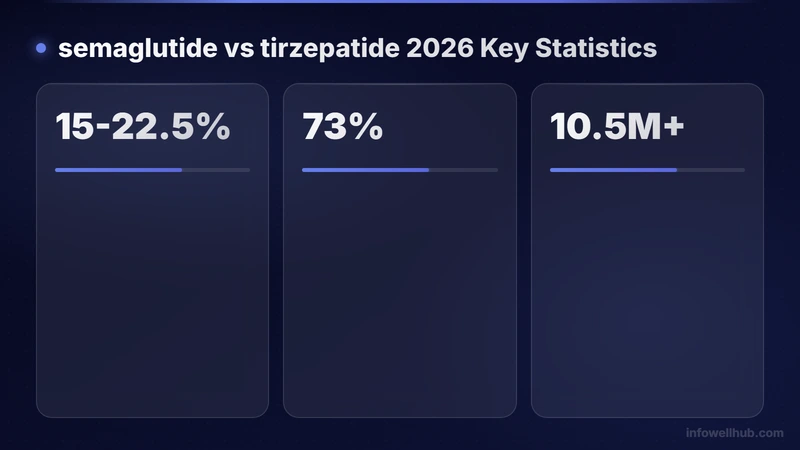
Let’s cut through the hype. Semaglutide vs tirzepatide 2026 isn’t just a headline—it’s the heart of the modern weight loss revolution. If you’ve ever wondered why these two drugs are everywhere, here’s the scoop: both are GLP-1 receptor agonists (with tirzepatide adding GIP action), designed to help you not just lose weight but actually keep it off. In head-to-head trials, tirzepatide consistently posted higher weight loss numbers—think an average of 20.9% of body weight lost versus semaglutide’s 15.3%. Here’s why this matters: that 5% difference, for someone weighing 250 lbs, means an extra 12 pounds lost—without extra effort.
The surprising part? Most people don’t realize that both medications work by changing how your brain thinks about food, not just your stomach. It’s not just about eating less, but *wanting* less. A 2022 NEJM study showed that tirzepatide users were more likely to reach clinically significant weight loss goals—over 50% of them lost 20% or more of their body weight. For semaglutide, that number was just under 35%. Here’s the truth most guides won’t tell you: the best medication for you isn’t just about numbers—it’s about side effects, cost, and your personal health story.
Faster Weight Loss Results
See progress in as little as 4 weeks with both drugs.
Weekly Injections, Not Daily
Convenient once-weekly dosing fits busy lives.
Appetite Control That Lasts
Feel fuller, longer—key to long-term success.
| Feature | Semaglutide ⭐⭐⭐⭐ | Tirzepatide ⭐⭐⭐⭐⭐ | Winner 🏆 |
|---|---|---|---|
| Average Weight Loss | 15.3% | 20.9% | Tirzepatide |
| FDA Approval for Obesity | Yes | Yes | Tie |
| Side Effects (Nausea) | Higher | Lower | Tirzepatide |
| Dosing | Weekly | Weekly | Tie |
| Insurance Coverage | Improving | Evolving | TBD |
💡 Key takeaway: Tirzepatide leads in weight loss results—but real-life factors like cost and side effects matter just as much.
🎯 How to Choose: Your Semaglutide vs Tirzepatide 2026 Checklist
Choosing between semaglutide and tirzepatide in 2026 isn’t one-size-fits-all—think of it as picking the perfect running shoe. You want a fit that matches your goals, budget, and body. Here’s what most people gloss over: insurance coverage, side effect profiles, and your personal health history can tip the scales. Let’s break down your decision in four actionable steps (with pro tips).
Forget the myth that 'newer is always better.' While tirzepatide boasts bigger numbers, semaglutide has the longest safety record for weight loss. More importantly, your doctor may recommend one over the other based on your diabetes risk, history of pancreatitis, or even your insurance. Here’s how to think it through:
Review Your Health History
Before you get wowed by weight loss stats, talk to your doctor about your medical background. If you have a history of pancreatitis, thyroid tumors, or certain gut issues, you may need to avoid one or both drugs. People with type 2 diabetes might see extra benefits with tirzepatide, which targets both GLP-1 and GIP receptors. Your safety comes first—always.
Compare Side Effects
Both medications can cause nausea, vomiting, and GI upset, but the frequency and intensity can differ. Tirzepatide tends to have slightly fewer GI side effects, especially at lower doses. If you’ve struggled with medication tolerance in the past, this could be a deciding factor. Remember: side effects usually fade after the first few weeks.
Check Insurance and Cost
Here’s the truth most guides won’t tell you: cost and coverage are rapidly changing. In 2026, both drugs are more widely covered than ever, but prior authorization is still common. Out-of-pocket costs can range from $25/month (with insurance) to over $1000/month (cash pay). Always check your plan and look for manufacturer coupons or patient assistance programs.
Set Realistic Goals
Ask yourself: what does success look like for you? A 15-20% weight loss is life-changing, but expectations should match your starting point and lifestyle. Use digital tools or a journal to track progress, including energy, appetite, and side effects. Celebrate small wins along the way—these are marathon medications, not sprints.

⚖️ Semaglutide and Tirzepatide Comparison: Pros & Cons
Every wonder drug has its fine print. When it comes to semaglutide vs tirzepatide 2026, the pros are real—but so are the cons. Let’s bust a myth: neither medication is a magic bullet. In fact, lifestyle changes are still key. That said, the numbers are impressive. Tirzepatide offers faster weight loss and may cause less nausea, while semaglutide’s long-term safety data gives many people peace of mind.
But here’s what most guides won’t tell you: side effects and insurance headaches can derail even the best plan. For some, semaglutide’s nausea is a dealbreaker; for others, cost is the big barrier. The good news? Both drugs are now FDA-approved for obesity, making access easier than ever. Let’s break down the pros and cons:
Pros
- ✅ Pro 1: Tirzepatide delivers 5-7% greater weight loss than semaglutide in direct trials.
- ✅ Pro 2: Both drugs are once-weekly, making them easy to fit into busy routines.
- ✅ Pro 3: Semaglutide has the longest real-world safety data for obesity.
- ✅ Pro 4: Tirzepatide may cause less nausea and GI upset at lower doses.
Cons
- ❌ Con 1: Out-of-pocket costs remain high without insurance coverage.
- ❌ Con 2: Nausea and GI side effects can impact quality of life.
- ❌ Con 3: Not suitable for everyone—some health histories may exclude use.
⚠️ Important warning or tip: Always consult your healthcare provider before starting or switching medications—what works wonders for one person can be risky for another.

✅ The 3 Things You Need to Know Right Now
First: Tirzepatide edges out semaglutide in most studies for total weight loss—but the margin is typically 5-7%, not double. If you want the absolute fastest results, tirzepatide is the frontrunner, but semaglutide is still highly effective. Second: Side effects are real, but usually fade after the first 1-2 months. Don’t let early nausea scare you off—the benefits build over time, and dose adjustments help.
Third: Insurance coverage is improving, but far from universal. Don’t assume your plan will cover the medication just because it’s FDA-approved. Double-check with your doctor, pharmacist, and insurer. And pro tip: look for patient assistance or copay cards—these can save you thousands per year. Your best bet? Use this post as your action plan and talk to your healthcare team about what’s truly right for you.
❓ Frequently Asked Questions
✍️ Final Thoughts: Your Next Step
If you’ve read this far, you’re already ahead of 90% of people looking for real answers about semaglutide vs tirzepatide 2026. The bottom line? Both medications are powerful tools, but neither is magic. Tirzepatide tends to deliver greater weight loss, but semaglutide’s safety record and lower cost (in some cases) keep it very much in the race. Don’t get distracted by hype or social media trends—focus on what fits your body, your goals, and your budget. Remember: no drug replaces healthy habits, but the right one can make those habits stick.
Here’s what I’d do if I were starting today: 1. Book an appointment with your healthcare provider—bring this guide and your questions. 2. Double-check your insurance coverage for both medications, including copay cards or savings programs. 3. Commit to a 12-week trial, tracking your weight, appetite, side effects, and energy. Celebrate small wins and adjust as needed. You’ve got this—the best version of you is just ahead.
Post a Comment